Sodium-ion batteries explained: cheap, cold-proof and lithium-free
Sodium-ion cells trade some energy density for low cost, strong cold-weather performance and no lithium, nickel or cobalt – here is where they fit and what is still missing.
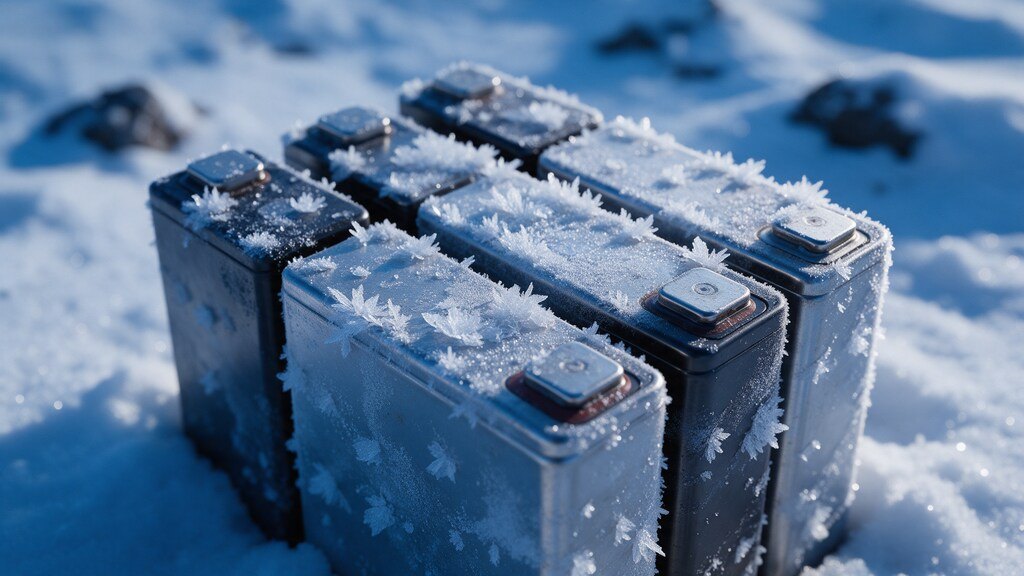
Sodium-ion batteries work like lithium-ion cells, but shuttle sodium ions between the electrodes instead of lithium. Sodium is abundant and cheap, and the chemistry needs neither nickel nor cobalt – which is why it is moving from laboratories into cars and grid storage.
How sodium-ion compares with lithium-ion
The trade-off is energy density. The IEA puts today's best sodium-ion cells at up to 175 Wh/kg, against up to 205 Wh/kg for lithium iron phosphate (LFP) and up to 265 Wh/kg for nickel-based NMC cells.1 For an average SUV that translates into a range of up to 350 km, compared with 400–600 km for lithium-ion.1
In return, sodium-ion handles cold far better. The latest cells retain about 90% of their nominal capacity at -40 °C and can operate up to 70 °C.1 CATL says its Naxtra sodium-ion cell delivers nearly three times the discharge power of an equivalent LFP battery at -30 °C, and uses aluminium foil instead of copper as current collector.2
From the lab to the road
The first sodium-ion car appeared in China in late 2023, and CATL and BYD are now scaling the technology.1 CATL's Naxtra cell, rated at 175 Wh/kg, is set to reach the market in a Changan passenger car in mid-2026.2
Why grid storage is the bigger opportunity
In stationary storage, weight matters less and cost, safety and temperature tolerance matter more. In June 2026 General Motors announced it is developing sodium-ion cells for grid-scale storage with start-up Peak Energy; trial production at GM's Battery Cell Development Center is expected in 2028. Peak's systems omit cooling and fire-suppression equipment because the cells overheat less, according to the report.3
Reality check: sodium-ion manufacturing capacity is still just over 1% of lithium-ion's, and announced projects for 2030 add up to only about 7% of committed lithium-ion capacity. Hard-carbon anode supply chains are poorly developed and largely concentrated in China.1
What it means for Central & Eastern Europe
We have not yet identified sodium-ion cell production in the region. Its strengths – low cost, no lithium price exposure and performance in cold winters – suggest it could be relevant for stationary storage and entry-level vehicles in CEE, but supply today depends on Chinese manufacturers. For a quick comparison of chemistries, see our sodium-ion technology guide.
Sources
-
Global EV Outlook 2026 – Electric vehicle batteries – IEA, 2026 ↩↩↩↩↩
-
175 Wh/kg: how CATL's Naxtra architecture moves sodium-ion beyond the lab – R&D World, 6 Mar 2026 ↩↩
-
GM bets big on energy storage for data centers and the grid – TechCrunch, 9 Jun 2026 ↩