Belgium's capacity auction now runs on four-hour batteries – Poland and Czechia are between regimes
Four-hour batteries took most of Belgium's 2030–31 capacity volume, while Polish storage turns to tolling deals and Czechia's new mechanism only starts delivering in 2030.
What happened
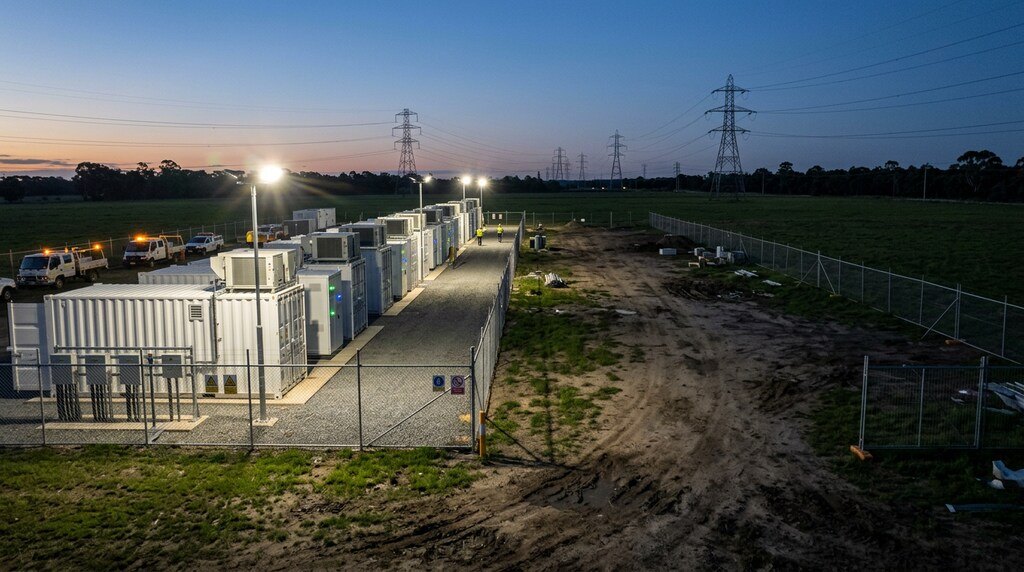
Belgian grid operator Elia's latest capacity auctions were oversubscribed. In the Y-4 auction for 2030–31, four-hour batteries won 61.75% of contracted volume, and no two-hour batteries were selected.1
Why it matters for CEE
Poland moved the other way. In its December 2025 auction for 2030 delivery – described as the last under the current rules – the de-rating factor for batteries was 13.39%, against 93.15% for gas turbines.2 PSE's schedule lists no main auction in 2026.3 Developers are filling the gap with traders: Statkraft and Greenvolt signed a 10-year tolling deal for 400 MW of Polish batteries.4
Czechia is only starting. The European Commission approved its capacity mechanism in July 2026; it is open to storage, with the first delivery period from November 2030.4
For storage developers in the region, this suggests capacity payments will play a smaller role in near-term financing than in Belgium, with tolls and optimisation contracts carrying more of the risk.
What to watch
The Czech ministry's draft amendment, which would move two additional capacity auctions from 2026 to 2027 – its final rules will show whether Czechia treats batteries more like Belgium or like Poland.5
Sources
-
Batteries to dominate Belgium's capacity remuneration mechanism – ESS News, 3 Nov 2026 ↩
-
Ostatnia taka aukcja rynku mocy. To ważny impuls dla rozwoju bloków gazowych – WNP.pl, 5 Nov 2025 ↩
-
Capacity market – Schedule – PSE, accessed 4 Nov 2026 ↩
-
Capacity market offers less support for Polish batteries. Investors seek certainty from traders – oEnergetice.cz, 12 Oct 2026 ↩↩
-
Czech ministry revises capacity mechanism rules. Additional auctions may be moved to 2027 – oEnergetice.cz, 16 Oct 2026 ↩